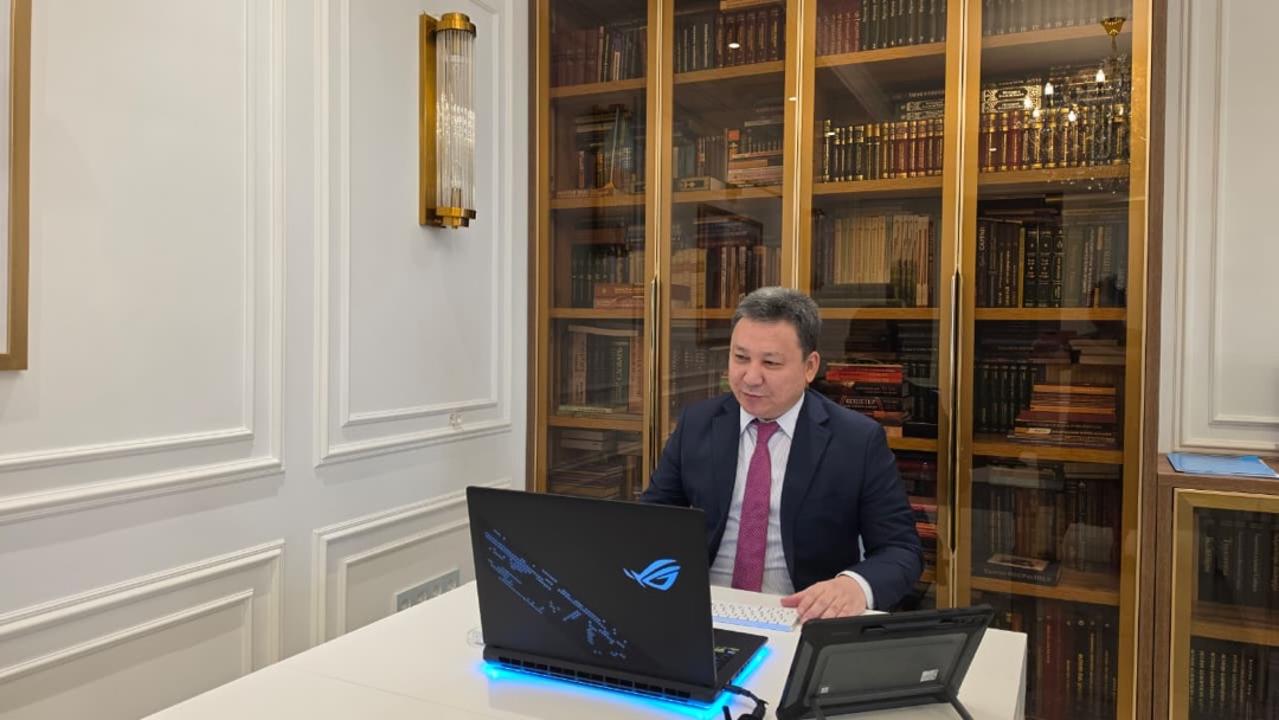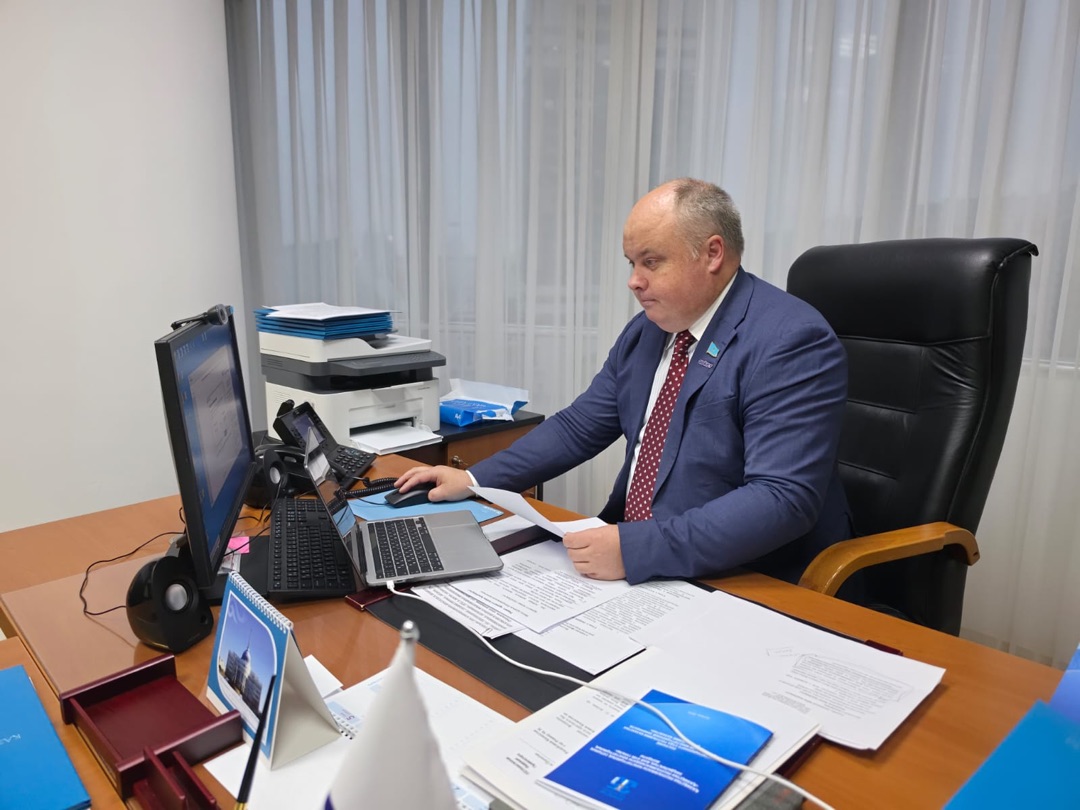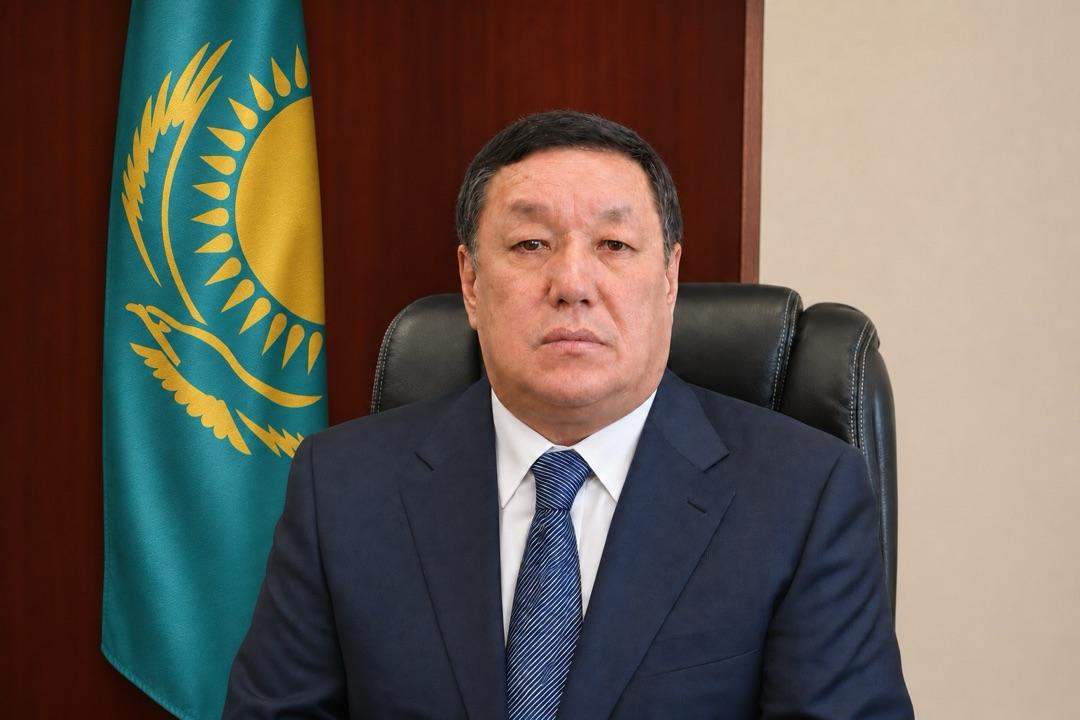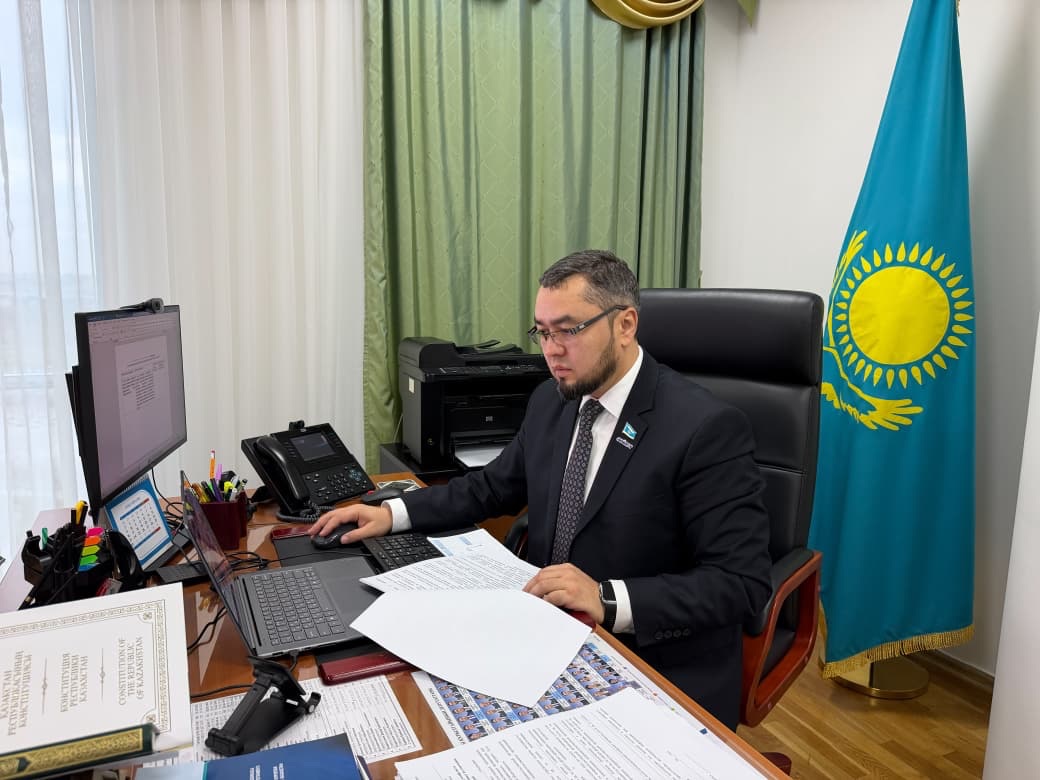
Members of the Public Council under the Ministry of Foreign Affairs of the Republic of Kazakhstan held a series of meetings with compatriots, students, business representatives, and experts abroad on the Address of President Kassym-Jomart Tokayev, "Kazakhstan's Current Priorities in a New Historical Cycle." The briefings took place on the basis of Kazakh foreign missions in Budapest, Moscow, Beijing, Washington, Brussels, Ulaanbaatar, and Tashkent.
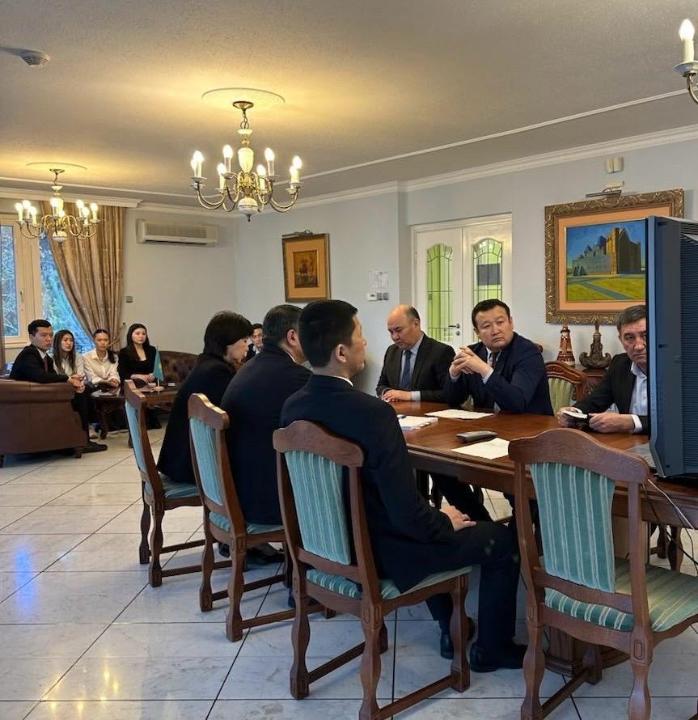
Addressing Kazakh citizens living and studying in Hungary, Public Council member Ussen Suleimen, Director of the Public Foundation “National Endowment for Prosperity”, highlighted the priorities of result-oriented reforms. He emphasized the importance of digital sovereignty and information security, as well as the contribution of compatriots abroad to supporting the development of our country.
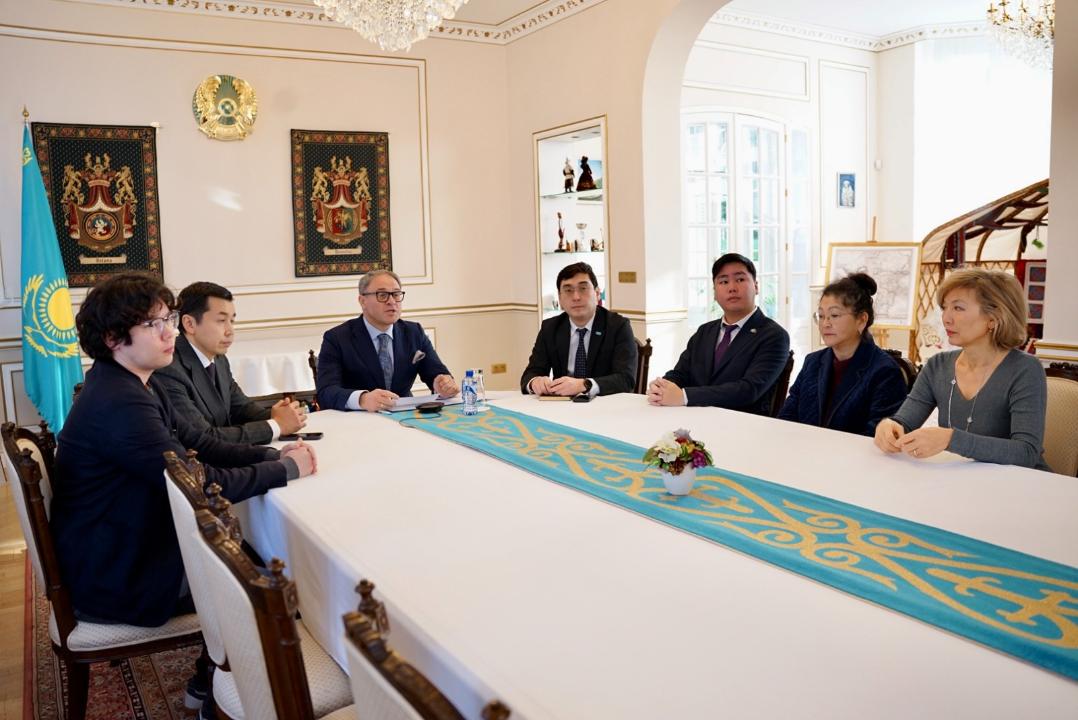
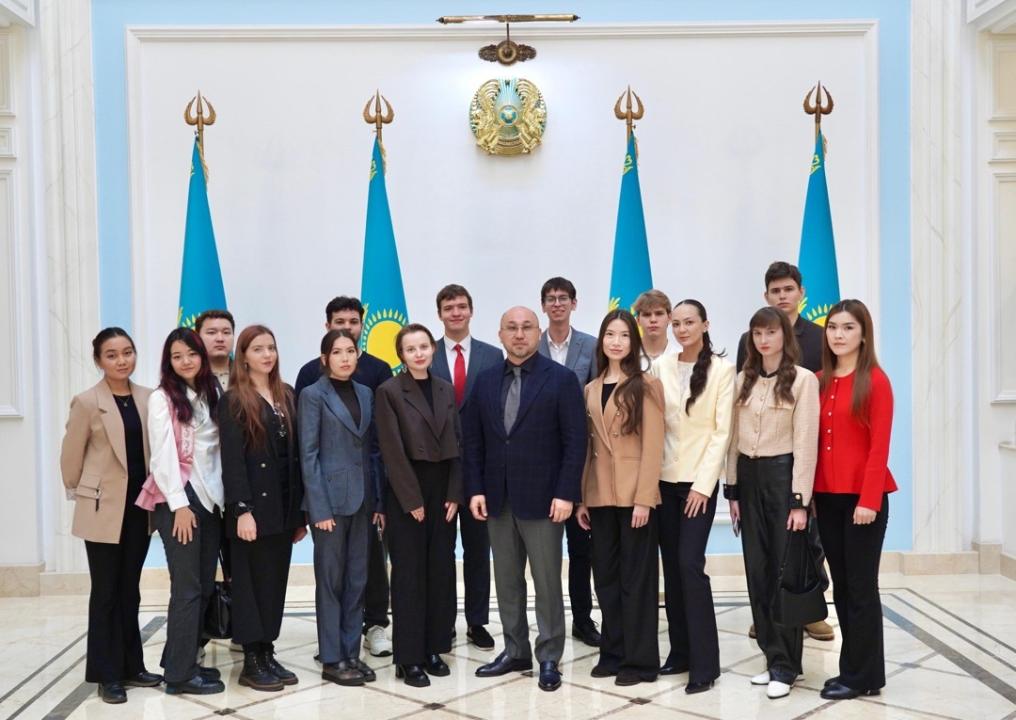
In Moscow, Public Council member Zarema Shaukenova, Doctor of Social Sciences, explained the provisions of the Address to Kazakh students of MGIMO and the Higher School of Economics. Ambassador Dauren Abayev reminded the audience that it is important for our country to operate in a mode of strategic anticipation, while Zarema Shaukenova described the Independence generation as a great asset for the country and stressed the importance of building a “people's digital economy”.
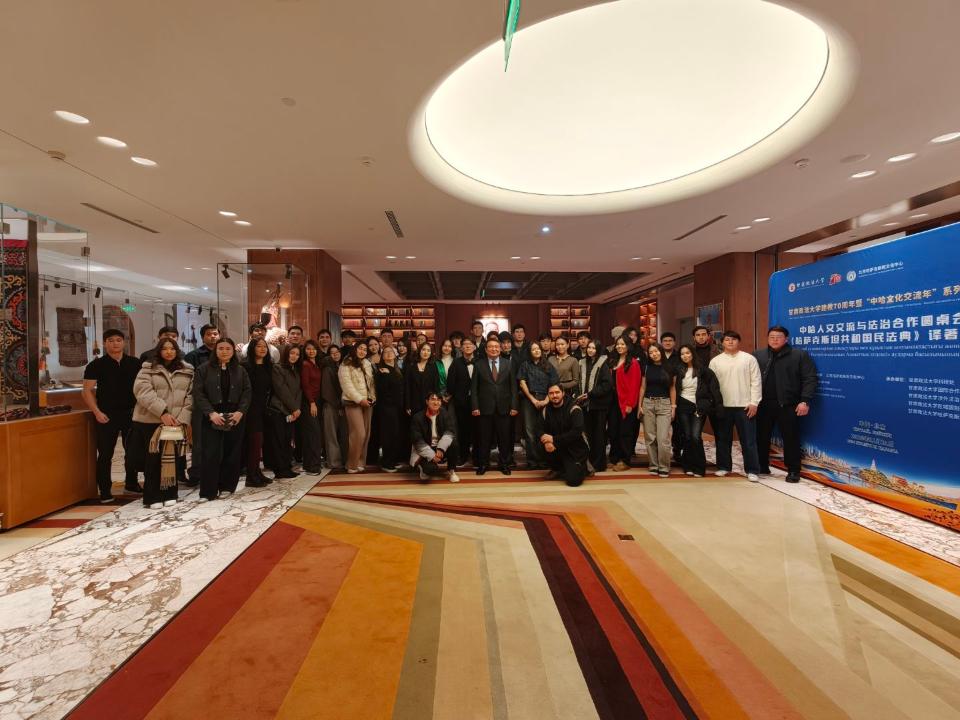
At the Kazakhstan Cultural Center in Beijing, students met with Public Council member Mukhit-Ardager Sydyknazarov, Director of the Institute of Contemporary Studies at the Eurasian National University. He discussed the main directions of the country's political and socio-economic modernization, paying particular attention to digital transformation, introduction of artificial intelligence, and development of science and education. The expert emphasized that the success of the reforms largely depends on the younger generation and noted the role of Kazakh youth studying abroad in acquiring advanced knowledge and technologies.
For Kazakh citizens living in the United States, a videoconference was held by Public Council member Khalida Azhigulova, an international consultant on human rights and gender equality. Kazakhs studying and working in the United States took part in the event. The speaker presented an expert analysis of the Address from a human-centered perspective and praised the initiatives in healthcare, education, and social protection, the measures to boost employment and wages, and the guarantees of entrepreneurs' rights and the inviolability of private property. She emphasized the importance of maintaining overseas compatriots' ties with Kazakhstan and staying informed about developments in the country.
In Brussels, the meeting was held in a hybrid format with the participation of Public Council member and Kurultai Deputy Maxim Rozhin. Ambassador Roman Vassilenko noted that the Address's priorities can be implemented, among other means, through Kazakhstan-Belgium cooperation: joint investment and industrial projects, scientific research, and specialist training. Maxim Rozhin spoke about the "People's Construction" initiative, the development of transport, logistics, and energy potential, the formation of a people's digital economy, and constitutional reforms, as well as the prospects for cooperation with the European Union in transport, energy, critical raw materials, and digital technologies.
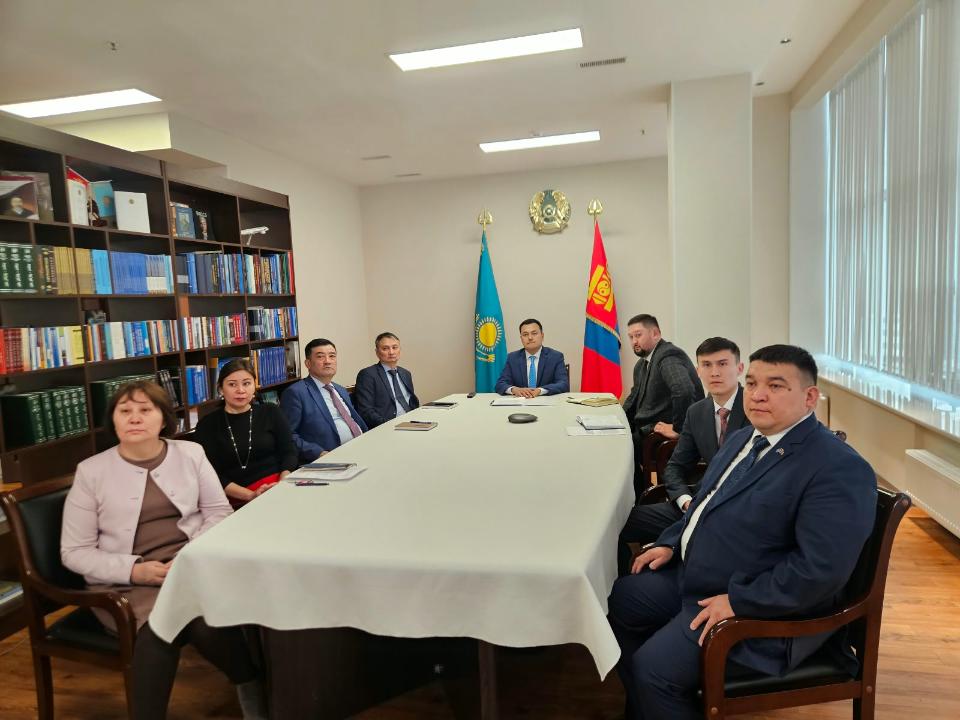
In Mongolia, with the participation of Ambassador Almas Seitakynov, a Public Council member, expert, and former senator Galiaskar Sarybayev introduced participants to the main provisions of the Address. He discussed the "People's Construction" program and the developments in logistics, energy security, digitalization, and social policy, stressing that the success of the initiatives depends on our country's unity and social stability. The Ambassador also noted the strong interest of Mongolian experts in the President's initiatives.
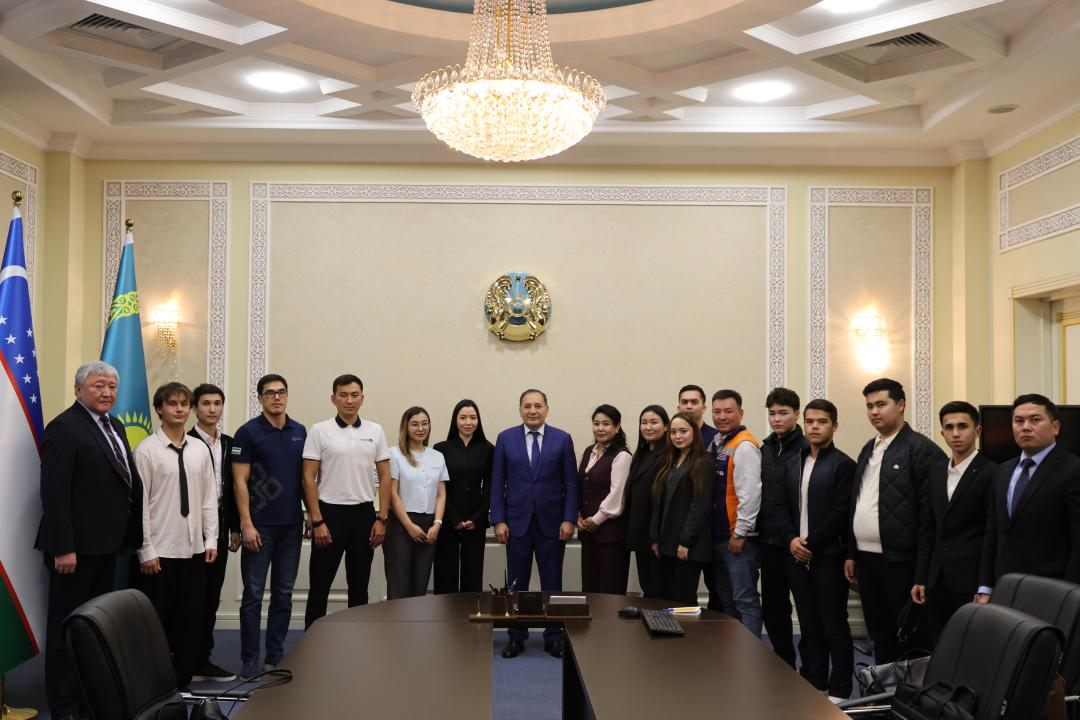
In Tashkent, with the participation of Ambassador Yerali Tugzhanov, a meeting was held with Public Council member and Kurultai Deputy Sherzod Pulatov. He spoke about plans to allocate 6.5 trillion tenge from the National Fund to an infrastructure program, the declaration of 2027 as the year of nationwide construction, and the goals of achieving an energy surplus by 2029 as well as introduction of artificial intelligence. Diplomats, representatives of Kazakhstani companies, lecturers of the Tashkent University of Information Technologies, and students took part in the discussion. Participants discussed the prospects for joint investment projects and cooperation between the IT sectors, while the Ambassador underscored the importance of the practical implementation of the reforms for the further strengthening of the Kazakhstan-Uzbekistan strategic partnership.
The above meetings reflect the important function of the Public Council under the Foreign Ministry as a link between the MFA, the expert community, and Kazakh citizens, both at home and abroad, ensuring understanding and support for state policy priorities regardless of where citizens reside.